THE DESKTOP FIELD GUIDE No. 01 / 2026

Your crypto.
In clearer
perspective.

A considered guide to Ledger Live Desktop—covering the setup basics, the details worth checking, and habits that help keep your digital assets yours.

Independent educational resource · Not affiliated with Ledger

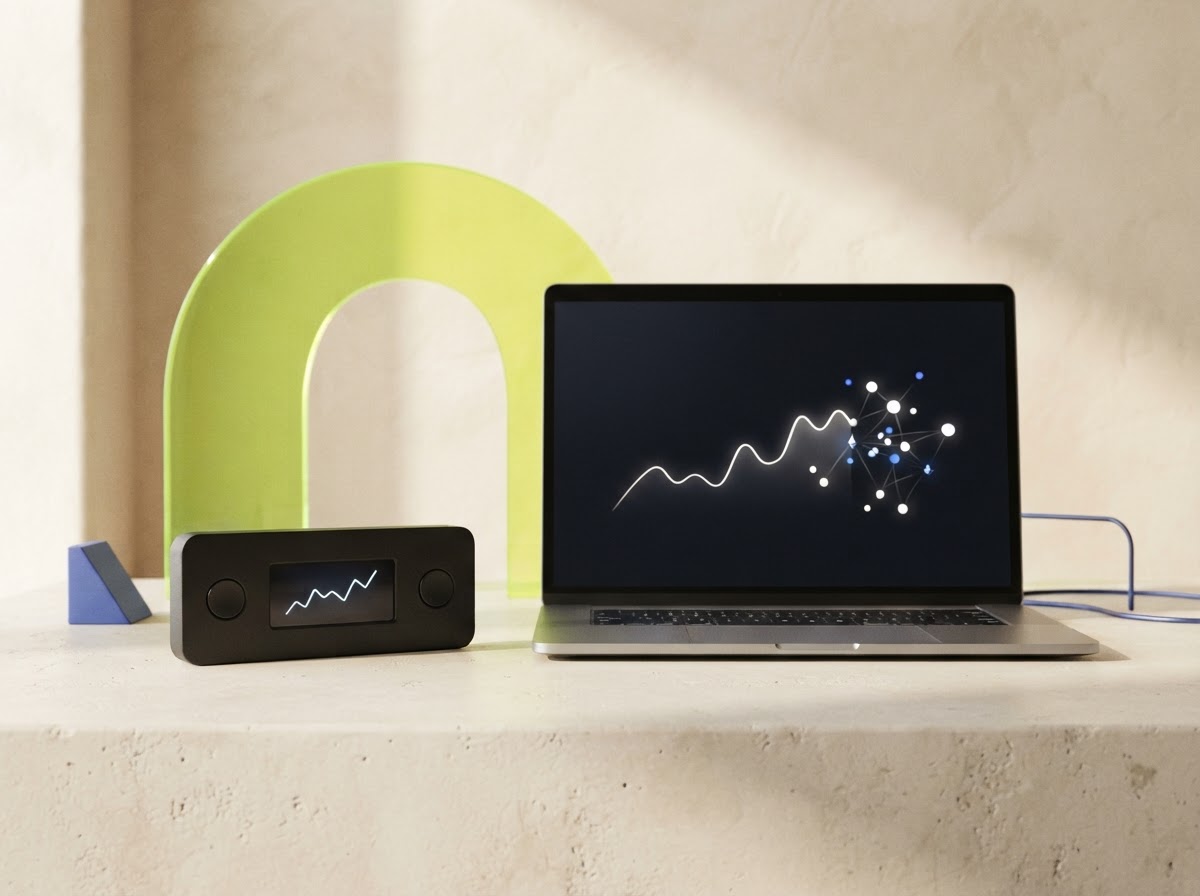
A generic hardware wallet beside a laptop with a portfolio chart, arranged as a sculptural desktop still life
01 / CONNECTIONDESKTOP SETUP, SIMPLIFIED
TAKECONTROLSTAY CURIOUS
TOOLS ARE ONLY AS GOOD AS THE HABITS BEHIND THEM.
SCROLL TO EXPLORE

A BETTER STARTING POINT

01 — 03

Clarity is a
security feature.

Ledger Live Desktop brings portfolio views and hardware-wallet interactions into one place. This guide helps you understand the moving parts before you connect, review, or confirm anything.

Read the field notes
01

See the whole picture

Understand portfolio views without confusing an estimate with a guarantee.

02

Verify before you approve

Use your device display as a final checkpoint for transaction details.

03

Keep control personal

Your recovery phrase belongs offline, private, and only with you.

THE FIRST CONNECTION

Start slow.
Stay in control.

Think of setup as a few deliberate checkpoints—not a race to click through.

↘Pause when something
doesn't look right.
01

Find the genuine source

Use the official Ledger website to locate Ledger Live. Check the address carefully and avoid sponsored lookalikes, unsolicited messages, and download links from strangers.

02

Connect your own device

Open the desktop app yourself, connect your hardware wallet, and follow the on-screen prompts. Never enter your recovery phrase into a computer or app.

03

Review, then confirm

Before approving an action, compare the recipient and amount shown on your device screen with what you intended. If anything differs, reject and investigate.

04

Keep software current

Install updates only through trusted, verified channels. Make a habit of checking release information before updating critical software or firmware.

YOUR NON-NEGOTIABLES

A NOTE ON SAFETY

A few good
habits go a long way.

Security is not a setting you switch on once. It's a series of small, repeatable decisions—especially when a screen asks you to approve something.

01

Verify addresses and amounts on the device screen.

02

Ignore urgent DMs, fake giveaways, and unsolicited support.

03

Use a private, updated computer and a trusted network.

04

Take time to understand an action before you sign it.

A PRACTICAL OVERVIEW

Ledger Live Desktop:
a calmer way to begin

Good crypto management starts with understanding what your tools do—and what they cannot do for you.

Ledger Live Desktop is a companion application for viewing supported digital assets and interacting with a compatible Ledger hardware wallet. For many people, its portfolio view offers a useful snapshot: balances, market movement, and activity in one workspace. Remember that displayed values can change quickly, and a portfolio screen is not investment advice.

When connecting a device, slow down. Install the app only from Ledger’s official website, check that the device is yours, and follow the prompts on both screens. A hardware wallet is designed to keep private keys protected, while the desktop app helps prepare and display actions. Read transaction details on the device itself before approving anything.

Build simple habits around every session: keep your operating system and software updated, use a trusted network, and treat unexpected prompts with suspicion. Never share or type your recovery phrase into an app, website, chat, or support form. Store it offline in a secure place. Take note of which accounts you add and review permissions periodically; only connect services you understand. A balanced routine matters more than checking prices throughout the day. Ledger Live can make self-custody easier to navigate, but careful verification and personal responsibility remain essential.

Educational information only. Digital assets involve risk; make decisions independently.

YOUR DATA, YOUR AWARENESS

Privacy deserves
a second look.

Desktop wallet software may process information to show balances and connect to network services. Review the app's current privacy information, consider what your network or device could reveal, and use a dedicated, up-to-date computer when possible.

Back to the beginning